
Why Agoraphobia & Panic Disorder Isn’t Actually About Places
It’s Not the place.
The Truth About Why Your World is Shrinking
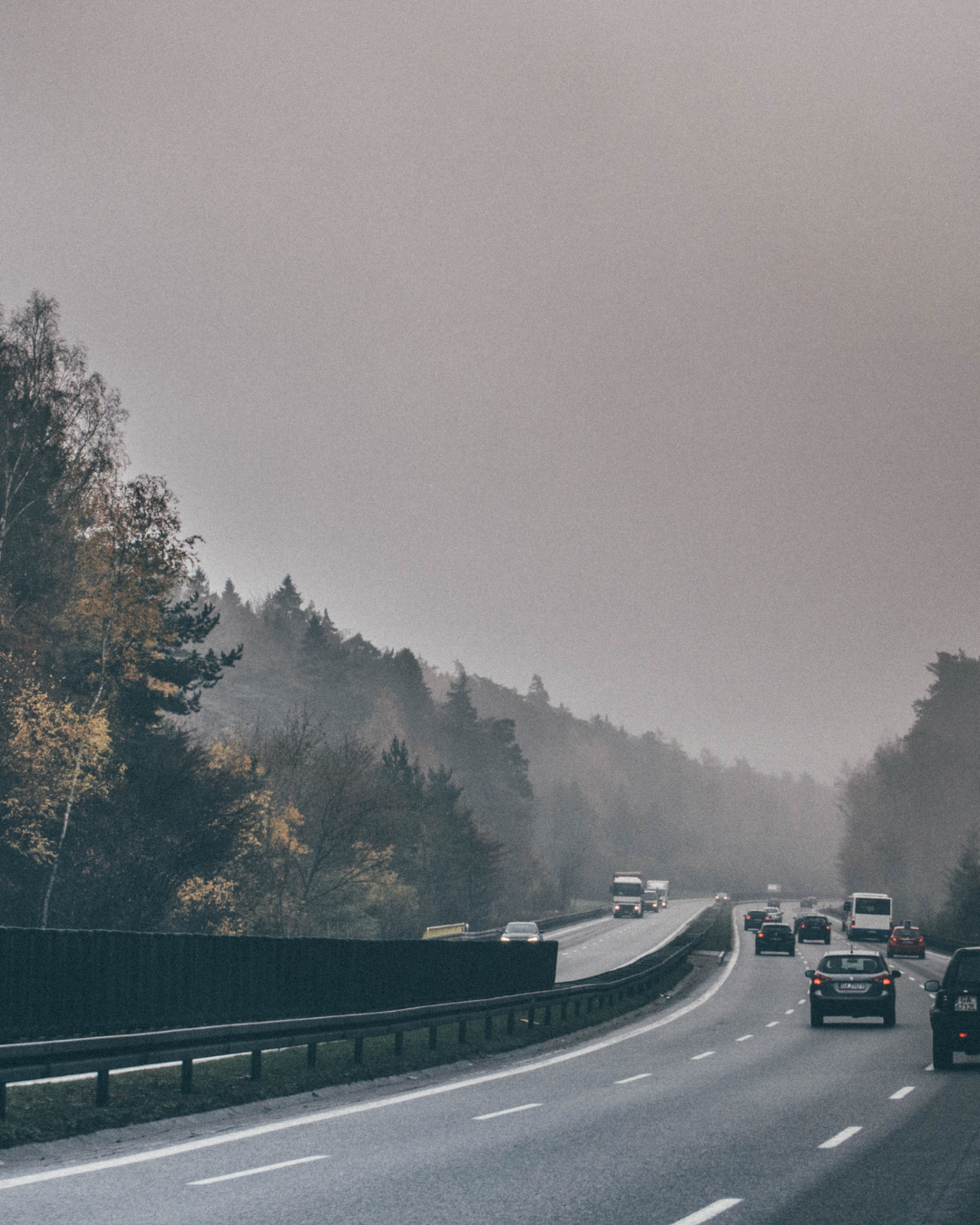
For a long time, I had a "laundry list" of places that felt absolutely impossible. I couldn’t do highways. I couldn’t handle being at a red light in heavy traffic. I couldn’t sit through a simple manicure or a doctor's appointment without feeling like I was going to jump out of my skin.
At the time, I was convinced that the places were the problem. I thought that if I just practiced being in them more—or, more often, avoided them altogether—I’d eventually be okay. I viewed my recovery as a battle against geography. But the truth is, I was fighting the wrong enemy. If you feel like your world is getting smaller and smaller, I want to help you understand what is actually happening, because it’s not what you think.
The "Fear of Fear" Trap
When you struggle with panic disorder or agoraphobia, your brain makes a very convincing, but very false, association. It remembers a time you felt anxious in a grocery store and decides: Store = Danger. But the store isn't dangerous. What you’re actually afraid of is the unpredictability of your own body. You aren’t actually afraid of the highway; you’re afraid of having a panic attack while driving and feeling like you can't escape or control the physical sensations. This is what we call the "fear of fear." You become hyper-vigilant, constantly scanning your internal "weather" to see if a storm is brewing. Because you are so focused on not feeling anxious, any tiny spark of adrenaline feels like a five-alarm fire.
The "Stuck" Factor and the Search for Safety
Most of the places we avoid share one thing in common: they feel hard to leave. Whether it’s a plane, a bridge, or a hair appointment, the fear of being "trapped" with your sensations is overwhelming.
I remember sitting in a nail salon years ago, and instead of enjoying the pampering, I was consumed by the thought: What if I panic right now? I can't just leave with wet nails. I’m stuck. That feeling of being trapped triggers our fight-or-flight response, which—ironically—creates the very panic we are trying to avoid. We start prioritizing "safety" by staying near exits, sitting in the back of a room, or staying close to home. While this gives us temporary relief, it actually reinforces the idea that we are incapable of handling discomfort, which makes our "safe zone" shrink even further.
The Invisible Layer: The Fear of Being Seen
There’s a heavy layer of shame that often comes with agoraphobia that we don’t talk about enough: the fear of being seen struggling. We worry: What if I panic and people notice? What if I look crazy? What if I have to explain myself? For my fellow millennials, many of us grew up with the subtle (or not-so-subtle) messaging that you keep your problems to yourself and you "act fine" in public. We were told we were being "dramatic" or "ridiculous" when we expressed big emotions. Unpacking that shame is a huge part of the recovery process. When you are terrified of judgment, every public space becomes a stage where you might "fail." Recovery requires us to be brave enough to be vulnerable—to realize that it’s okay to not be okay, even in front of others.
How to Make the World Big Again
The most important thing I can tell you is this: The goal of recovery is not to never feel panic again. If that is your goal, you will always be living in fear of the next wave.
True recovery means you stop treating your physical sensations like an emergency. It means you show yourself that even when your heart races, your vision gets blurry, or you feel detached, you are still safe. When you stop avoiding the highway to prevent a panic attack, you are teaching your brain a new lesson: I can handle this feeling. You don’t have to "fix" your anxiety before you start living your life. You start living your life with the anxiety, and eventually, your brain realizes the alarm doesn't need to go off anymore. The grocery store stops being scary not because you forced the anxiety away, but because you stopped caring if it showed up.
Taking the Next Step
If you’ve been living in a "shrunk" world, please give yourself some grace. It makes total sense why you’ve been avoiding these places—you’re trying to protect yourself from a terrifying experience. But you don't have to stay stuck in the cycle of avoidance.
ready to stop doing it alone?
Inside my 10-week program, Panic to Peace, I’ll guide you through this work step by step and you’ll be surrounded by people who truly get it.
You don’t have to stay stuck. Healing is possible and it’s closer than you think.
Come hang out with me on Instagram → I'd love to connect with you!
