
The Hidden Emotional Struggles of Anxiety: What No One Talks About
When you’ve been struggling with anxiety, panic disorder, or agoraphobia for a while, there are a lot of experiences that don’t get talked about enough. Things like grief, hopelessness, anger, or shame often stay hidden, yet they’re such a real part of the recovery journey. For a long time, I thought I was the only one who felt these things. I thought something was wrong with me because nobody else seemed to talk about it. But the truth is, these feelings are part of being human and part of healing.
So let’s walk through some of these hidden emotional struggles together. My hope is that you’ll see yourself in these words, feel less alone, and know that recovery is absolutely possible.
Comparison
One of the biggest struggles with anxiety is comparison.
Comparison with who you used to be, the version of you who could drive anywhere, go to events, or say yes to plans without hesitation.
Comparison with others who seem to move through life effortlessly while you’re stuck in fear.
I used to sit in my car, watching people around me, wondering: Why can they do this so easily while I panic at the thought? But comparison always leaves us feeling “less than.” It ignores the truth of where we are right now. And often, it feeds into something deeper: grief.
Grief
Anxiety often brings grief with it. Missed experiences, canceled plans, lost time, it all adds up. I remember the trips I didn’t take, the events I skipped, the simple everyday moments I missed out on because anxiety was running the show. At the time, I thought I was weak or broken. But really, I was grieving the life I felt anxiety had stolen from me.
Grief shows up in many ways: sadness, longing, envy, or even anger. And when it goes unrecognized, it can quietly sit under the surface until it boils over.
Anger
For me, anger often followed grief. I was furious at my body for racing with panic in the middle of the grocery store. I was angry at myself for not being able to “just get over it.” Anger can feel scary, but it’s actually a protective response. It’s your brain and body trying to defend you. The problem is, most of us never learned how to process anger, so we turn it inward: blaming ourselves, criticizing ourselves, or feeling guilty for even being angry.
But anger usually points to something deeper: there’s pain here that needs to be acknowledged.
Hopelessness
After years of struggling, hopelessness crept in. I thought, Maybe this is just who I am now. Maybe I’ll always be the girl who panics at the thought of driving.
Hopelessness is heavy and convincing. It whispers things like: You’ll never get better. Nothing will ever change. But hopelessness is a feeling, not a fact.
Even when it feels impossible, there is always a possibility for change. And often, hopelessness is a sign that something needs to shift and that you need support and new tools.
Shame & Guilt
Shame and guilt often run hand-in-hand with anxiety. I carried shame about the things I avoided, and guilt about how my struggles affected the people I loved.
Shame whispers, You’re broken. You’re not enough. People will judge you if they see the truth. And the more we hide it, the louder it gets. But shame is really a signal that you’ve been carrying too much alone and that you deserve compassion and connection.
Isolation & Loneliness
When shame shows up, isolation often follows. You start hiding parts of yourself, convinced no one will understand. I know that feeling well: staying home, canceling plans, pretending everything was fine while feeling completely alone inside. Hiding feels like protection, but it only deepens loneliness.
Exhaustion & Burnout
Anxiety is exhausting. Living in fight-or-flight mode takes a toll on your body, mind, and emotions. I remember feeling drained before the day even started. My brain was tired from constant “what ifs” and planning escape routes. My body was tense from stress. My heart was heavy from fear and shame.
Burnout makes everything harder. It zaps motivation and makes the future feel even scarier.
Fear of the Future
When you’re exhausted, fear of the future feels overwhelming. I used to wonder:
What if I panic and can’t get home?
What if I can’t handle it?
Will I ever be able to live the life I want?
Fear convinces us that the next panic attack or setback is always waiting around the corner. And sometimes, it makes it nearly impossible to imagine a hopeful future.
Self-Doubt & Flickers of Hope
With all of these heavy emotions, it’s easy to doubt yourself. I often thought, Maybe I’m too far gone. Maybe I’ll never recover. But even in the middle of self-doubt, there were small flickers of hope. Like the time I got through a drive I thought I couldn’t, or when I rode out a panic attack without turning back. Those small wins didn’t erase the struggle, but they reminded me: I am capable. Change is possible. Hope doesn’t have to be big to matter. Even the tiniest flicker is enough to keep going.
Healing is possible.
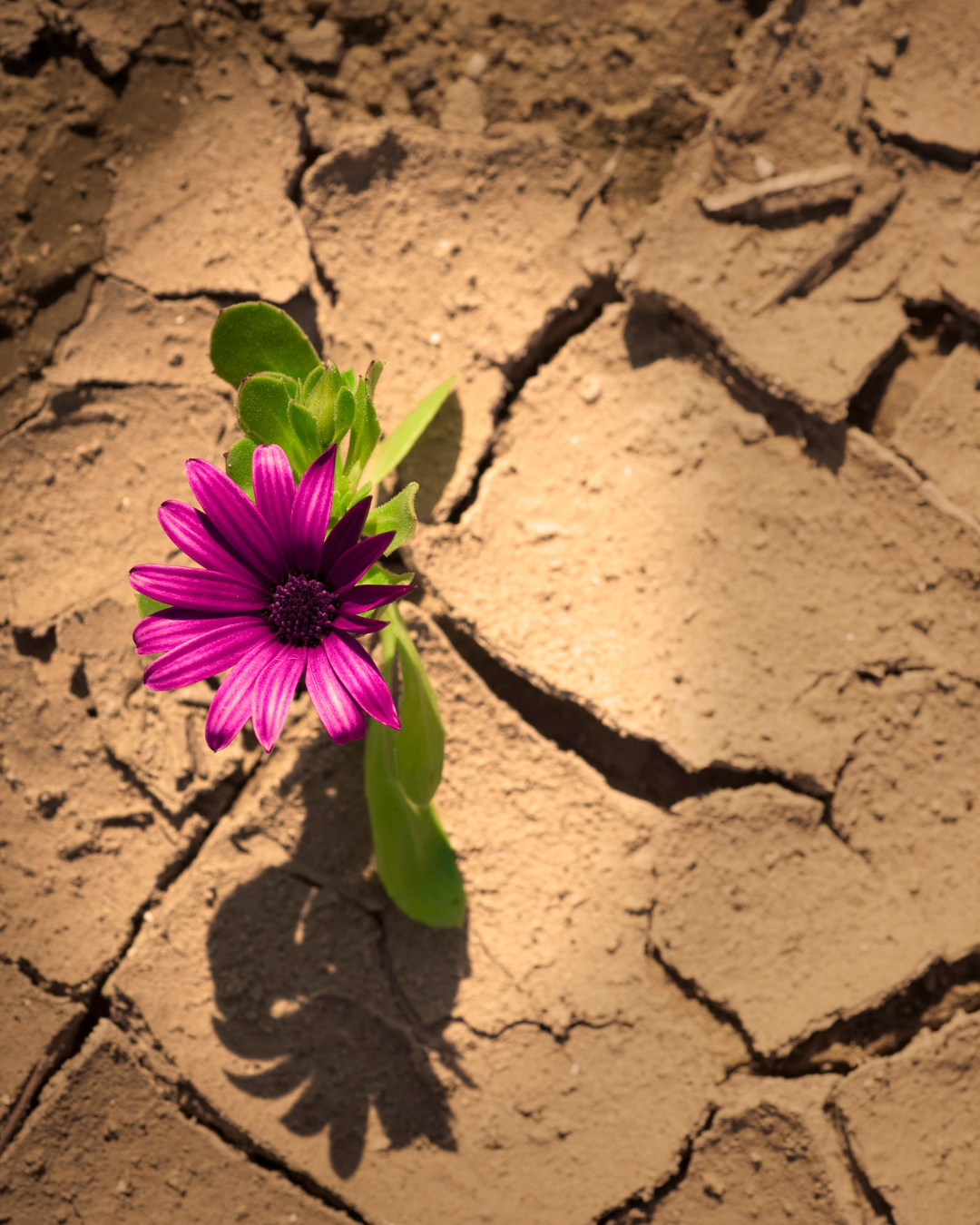
You’re Not Broken: These Are the Hidden Emotional Struggles of Anxiety
If you’ve felt comparison, grief, anger, hopelessness, shame, guilt, isolation, exhaustion, fear of the future, or self-doubt, you are not failing. You’re not broken. These are the hidden emotional struggles of anxiety and they are normal parts of the journey.
I’ve felt them all, too. And I want you to know: healing is possible. You can build trust and safety in yourself, and you can create a life that feels so much bigger than anxiety.
want help with this?
Check out my free class: How to Build Trust & Safety in Yourself (Even When Anxiety Has Taken Over).
And if you’re ready to go deeper, my 10-week program Panic to Peace opens on September 10th and I’d love to support you there.
Come hang out with me on Instagram → I'd love to connect with you!
