
What Triggers Panic Attacks or Makes Them Worse?
Panic Attacks.
Have you ever felt like a detective in your own life, tirelessly scanning for the "why" behind your last panic attack?
Most of us believe that if we can just crack the code, if we can pin the blame on a specific food, a crowded store, or an intrusive thought, we can finally stop the cycle. But as it turns out, this "detective work" is often the very thing keeping your nervous system on high alert. When you treat your life like a minefield to be managed, you inadvertently teach your brain that you are constantly in danger.
The Trap of "Trigger Chasing"
It is a natural human instinct to look for patterns when we feel scared. Your brain asks: What did I eat? Where was I? What was I thinking? While this is meant to protect you, the constant state of monitoring and analyzing is actually a form of anxiety itself. Instead of calming the panic, searching for triggers keeps the nervous system sensitized and ready to react.
The Real Cause: A Sensitized Nervous System
The biggest reframe you can make in your recovery is this: Panic attacks are not caused by dangerous places or situations. They are caused by a sensitized nervous system reacting to perceived threats.
Your body isn’t malfunctioning; it is simply responding to internal cues—like a racing heart, a memory, or even the fear of panicking itself—and giving those sensations a dangerous meaning.
What Actually Triggers Panic?
1. Internal Cues (The Sensations)
Often, the trigger isn't something "out there"—it’s what’s happening "in here." Common internal triggers include:
Physical Sensations: A racing heart, dizziness, or shortness of breath.
Mental Habits: Thoughts like "What if I can’t escape?" or "What if I pass out?"
Anticipatory Anxiety: The fear of the next attack can be more exhausting than the panic itself.
2. External "Innocent Bystanders"
Places like cars, grocery stores, or crowds aren't inherently dangerous. They have simply become "associated" with fear because you experienced anxiety there once before. Your brain is reacting to a memory of fear, not a current risk.
3. The "Full Cup" Theory
Panic thrives in an overwhelmed system. When you are dealing with chronic stress, burnout, or a lack of self-care, your "window of tolerance" shrinks. Things that drain your capacity include:
Poor sleep and skipping meals.
Excessive caffeine.
Emotional overload with no outlet.
When your "cup" is already full of stress, it doesn’t take much for a panic attack to spill over.
What Makes Panic Worse?
We often reach for tools to help us feel safe, but some habits actually reinforce the fear. Common "panic-fueling" habits include:
Avoidance: Skipping places or events "just in case."
Safety Behaviors: Carrying specific objects or needing a person nearby to feel okay.
Reassurance Seeking: Constantly looking outside of yourself for validation that you are safe.
The more urgently you try to stop or escape panic, the more important and dangerous it feels to your brain.
How to Break the Cycle
Recovery isn't about building a "panic-proof" life through control. It’s about expansion. Healing happens when you:
Change your response: Shift from urgency to curiosity.
Allow the sensations: Instead of resisting, practice watching the feelings pass.
Support your system: Prioritize basic self-care to grow your capacity for feeling.
Remember: Your body isn’t broken. It’s just trying a little too hard to keep you safe—and that is fixable.
Your Capacity Checklist
To help you identify what might be draining your nervous system and lowering your threshold for panic, take a moment to reflect on these areas:
Sleep Quality: Are you getting enough restorative rest, or is your system running on fumes?
Fueling: Are you skipping meals or relying on too much caffeine to get through the day?
Stress Load: Are you experiencing chronic burnout or overworking without scheduled downtime?
Emotional Outlets: Do you have a way to release emotional overload, or is everything staying bottled up?
Self-Care Routine: Are you adding complexity to your day, or are you genuinely supporting your nervous system's basic needs?
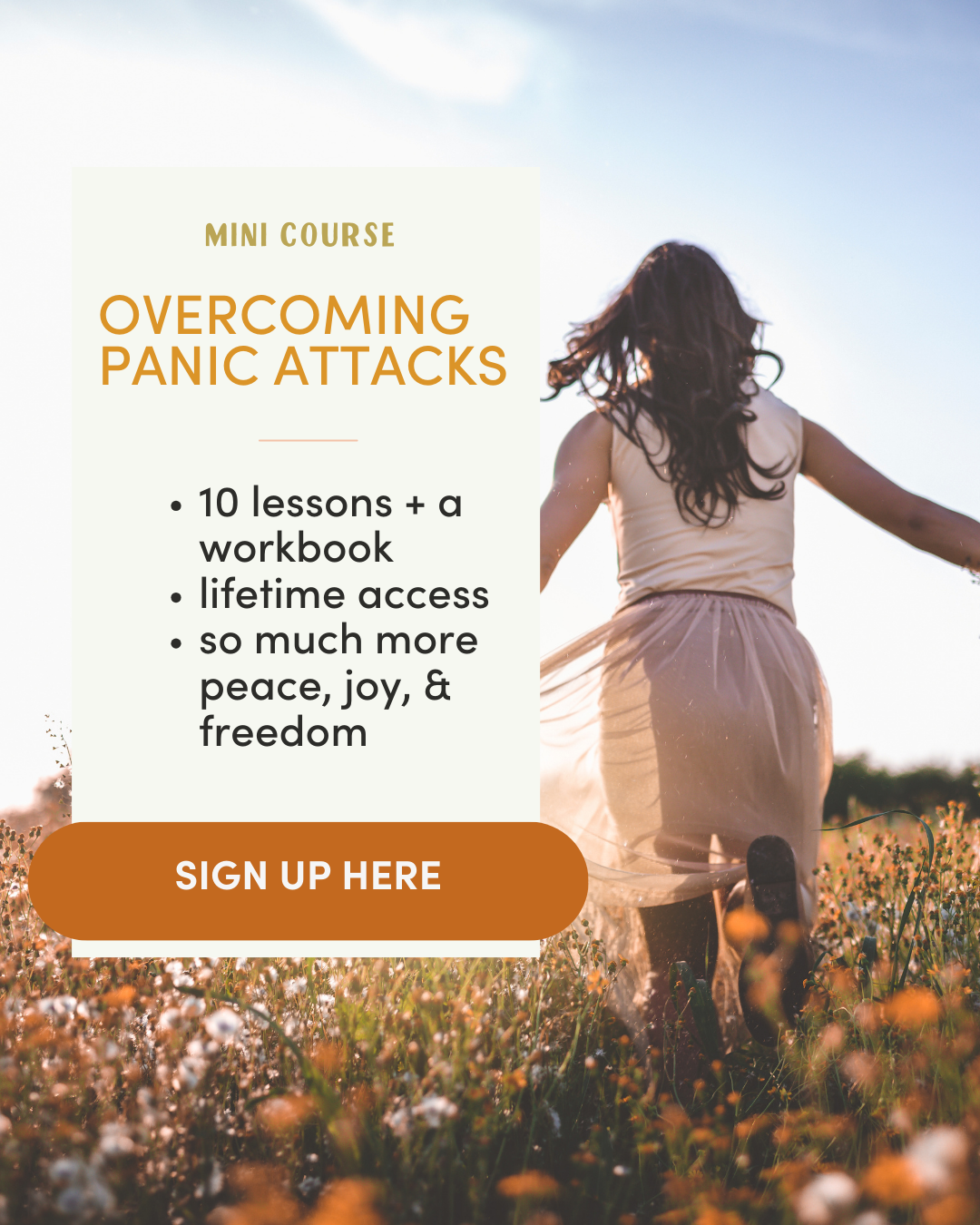
If you want to learn how to respond to anxiety symptoms without spiraling into panic, my 90-minute, no-fluff course will give you practical tools and the mindset shifts you need to stop coping, start healing, and finally feel safe in your body again!
Until next time, keep taking healthy action!
ready to stop doing it alone?
Inside my 10-week program, Panic to Peace, I’ll guide you through this work step by step and you’ll be surrounded by people who truly get it.
You don’t have to stay stuck. Healing is possible and it’s closer than you think.
Come hang out with me on Instagram → I'd love to connect with you!
