
What if Death isn’t Scary? A Conversation with Hospice Nurse Julie McFadden
If you’re currently struggling with health anxiety, panic disorder, or agoraphobia, there is a silent engine likely running in the background of your life. It’s the fear of death.
It shows up as constant body scanning—checking your pulse, obsessing over a flutter in your chest, or wondering if every headache is something serious. It’s the "what if" that stops you from driving too far from home or staying alone. We spend so much energy trying to control our bodies and avoid the topic of death because we’ve been taught it’s a "scary monster."
But what if it isn’t?
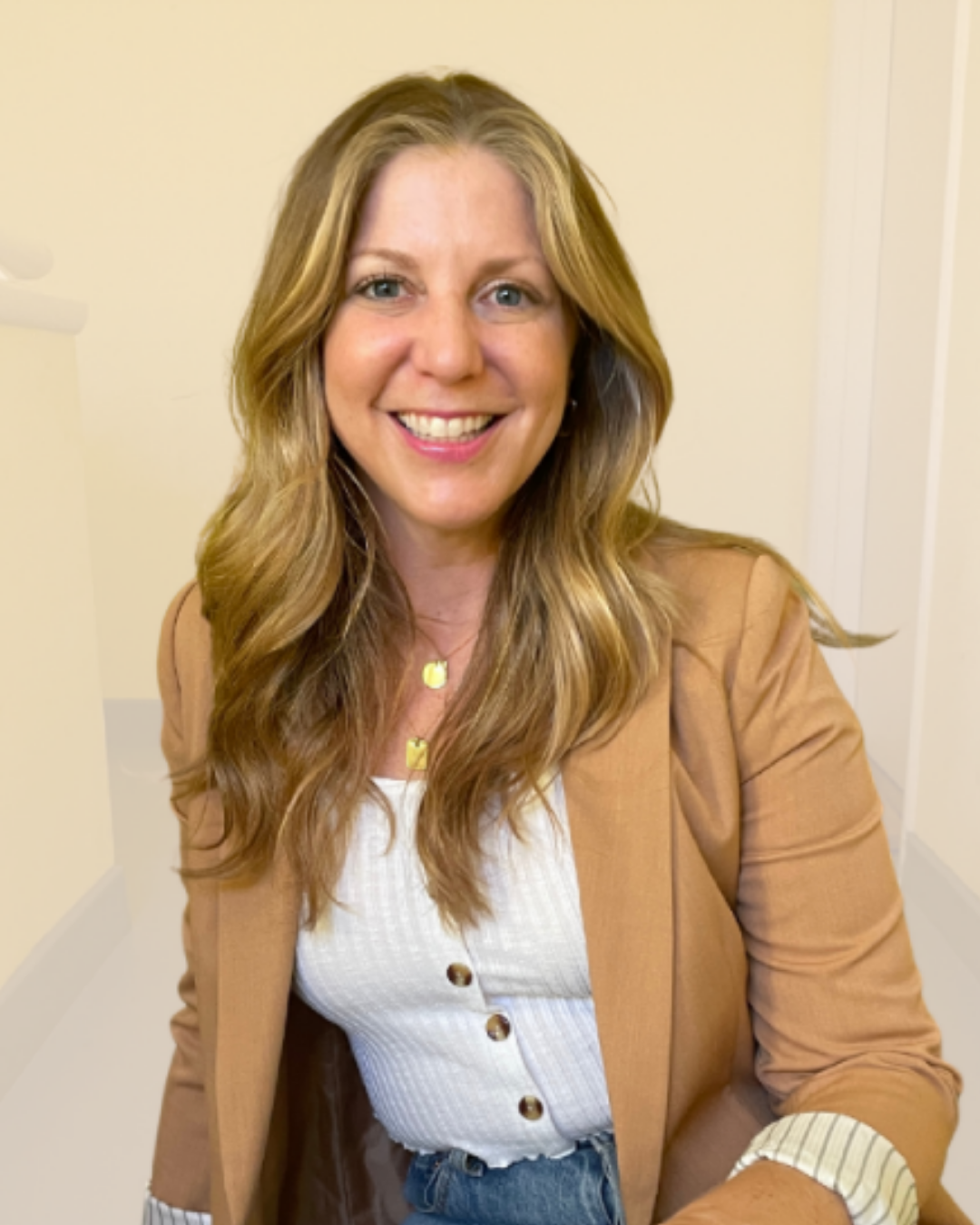
To help us untangle this fear, I sat down with Julie McFadden, a hospice nurse and New York Times bestselling author known as Hospice Nurse Julie. Julie has spent years at the bedside of thousands of people as they transition, and what she has to say might be the most comforting thing you’ve heard in years.
You Are Normal for Being Afraid
First, if the word "death" makes your heart race, congratulations—you’re a human being. Julie emphasizes that while her book is titled Nothing to Fear, she acknowledges that it is normal to fear. In our Western culture, we’ve institutionalized death. We hide it away in hospitals and shield ourselves from it, which only makes the "unknown" feel bigger and scarier.
Your Body Was Built for This
The most profound shift in perspective Julie offers is biological. As an ICU nurse, Julie spent years fighting death. As a hospice nurse, she began to witness the biology of peace.
Our bodies are built to live, but they are also physically, chemically, and biologically built to die. At the end of life, the body’s metabolism changes in a way that naturally "turns the brain offline." This shift creates a peaceful state where the person isn't hungry, isn't thirsty, and isn't experiencing the "suffering" we often imagine when watching from the outside.
"Our bodies have built-in mechanisms to take care of us at the end of life. It’s like a built-in support system." — Julie McFadden
Debunking the Myths of Suffering
One of the biggest drivers of death anxiety is the fear of pain. Julie explains that what we see as bystanders—changes in breathing or skin color—are natural processes that don't equate to pain for the person dying. Hospice professionals are trained to recognize non-verbal cues for comfort, ensuring that the process remains as peaceful as possible. Understanding the "why" behind these physical changes can take the terrifying mystery out of the experience.
How Death Teaches Us to Live
It sounds counterintuitive, but leaning into the reality of death can actually set you free to live. Julie, who has been sober for ten years and practices daily introspection, shares that knowing her time is limited helps her appreciate the "little things"—the taste of her coffee, the sun on her face, and the ability to call her mom.
When we stop running from the end, we can finally start showing up for the right now.
Start Your Journey to Peace
If this topic feels heavy, start slow. You don't have to "accept" everything today. Healing your relationship with death is much like healing your relationship with anxiety: it requires compassion, education, and the willingness to stop doing it alone.
Ready to dive deeper? Listen to the full conversation with Julie McFadden on A Healthy Push Podcast to hear about her "mystical" experiences at the bedside and why she believes death is actually a "return home."
ready to stop doing it alone?
Inside my 10-week program, Panic to Peace, I’ll guide you through this work step by step and you’ll be surrounded by people who truly get it.
You don’t have to stay stuck. Healing is possible and it’s closer than you think.
Come hang out with me on Instagram → I'd love to connect with you!
