
The Overlap Between ADHD, Autism, and Panic Attacks: Healing Through Art with Demi Dawkins
Have you ever sat down to meditate, closed your eyes, and felt your heart start to race even faster? Have you been told to "just breathe" through a panic attack, only to find that focusing on your breath makes you feel like you’re suffocating?
For many people, especially those living with the unique brain-wiring of AuDHD (the overlap of Autism and ADHD), traditional mindfulness can feel like a trap. When your brain is naturally "loud," "fast," and "too much," going inward can feel like walking into a storm.
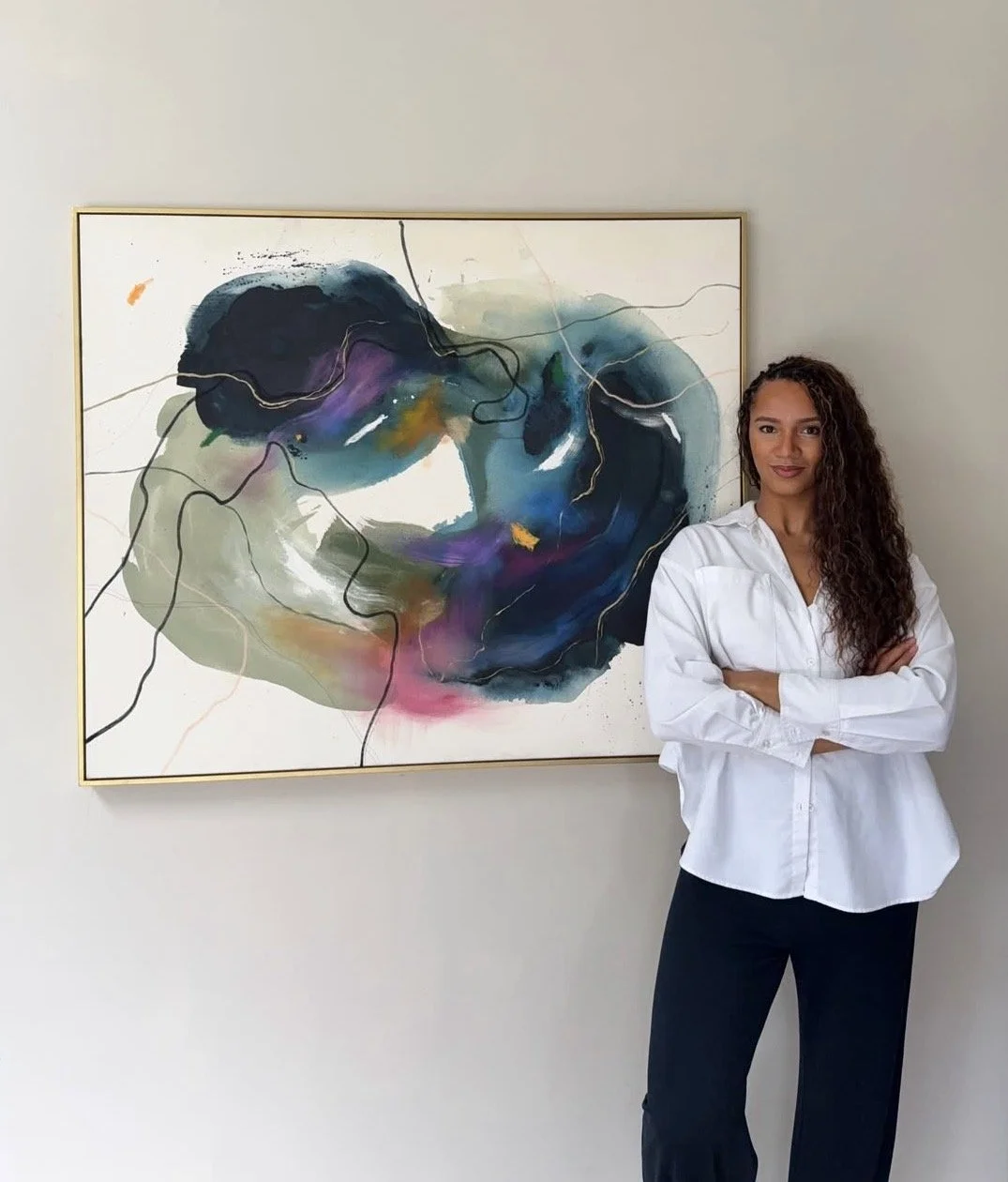
In a recent episode of A Healthy Push, I sat down with the incredible Demi Dawkins, an artist who spent years drowning in panic attacks and sensory overwhelm before realizing she wasn't "broken"—she was neurodivergent.
The "Internal Noise" of AuDHD
Demi describes her life before her diagnosis as living with a "constant chatter." For those with ADHD and Autism, the world doesn't come with a filter. Every sound is louder, every social cue is a puzzle, and the "internal dialogue" never takes a day off.
This constant state of high alert is the perfect breeding ground for anxiety. Demi shared how this eventually spiraled into intense panic attacks, starting at age 15. Because she didn't know her brain was processing the world differently, she viewed these attacks as a sign that she was failing at being a "normal" person.
"I thought I was silly. I thought I just wasn’t getting it. But it wasn't that at all. My brain just needed information in a different way."
Why "Just Breathing" Doesn't Always Work
If you are neurodivergent, your nervous system often requires sensory input to feel safe. Sitting still in silence (meditation) can actually increase "rejection sensitivity" or executive dysfunction, making you feel more agitated.
This is where Demi found her lifeline: Art.
Demi realized that art wasn't just a hobby; it was a form of stimming (self-stimulatory behavior). The physical sensations of creating became her anchor:
The rhythmic sound of a pen scratching on paper.
The cold, squishy texture of paint.
The gentle pressure of a brush against a canvas.
These aren't just "pretty" experiences—they are physiological "nods" to the nervous system that help it move from Fight or Flight into Rest and Digest.
3 Low-Pressure Ways to Create for Your Mental Health
You don't need to be "talented" to use art as a grounding tool. Demi suggests these "low-stakes" entry points:
The Pebble Exercise: Place a pebble on a piece of paper. Rest your pen against it and move the pebble around, letting it guide your hand. This removes the "fear of the blank page" and creates organic, soothing lines.
Limit Your Choices: Decision fatigue is real for ADHD brains. Pick only three colors. This constraint actually creates freedom because it removes the overwhelm of "too many options."
The "Doom" Collage: Grab an old magazine and cut out anything that matches your current mood—no matter how messy. It’s a way to "over-share" on paper instead of letting those feelings stay trapped in your head.
From "Fixing" to "Supporting"
The biggest takeaway from Demi’s journey is the shift from trying to fix a broken brain to supporting a unique one. When we stop fighting the way we are wired, we can start finding the tools—like a paintbrush or a pebble—that actually bring us back to ourselves.
As Demi says, "I'm not coming from a place of having found a magic cure... I still live with this. This is just my way of coping."
follow demi here:
@DemiDawkinsArt
ready to stop doing it alone?
Inside my 10-week program, Panic to Peace, I’ll guide you through this work step by step and you’ll be surrounded by people who truly get it.
You don’t have to stay stuck. Healing is possible and it’s closer than you think.
Come hang out with me on Instagram → I'd love to connect with you!
