
A Pro Athlete on Anxiety, Burnout, and a Life-Changing Mental Health Break
On the surface, a professional athlete's life looks like the pinnacle of success: peak physical condition, cheering crowds, and a career built on passion. But behind the scenes, there's often an unseen game being played, a relentless battle against performance anxiety, burnout, and immense mental pressure. What happens when that internal struggle becomes too much to bear?
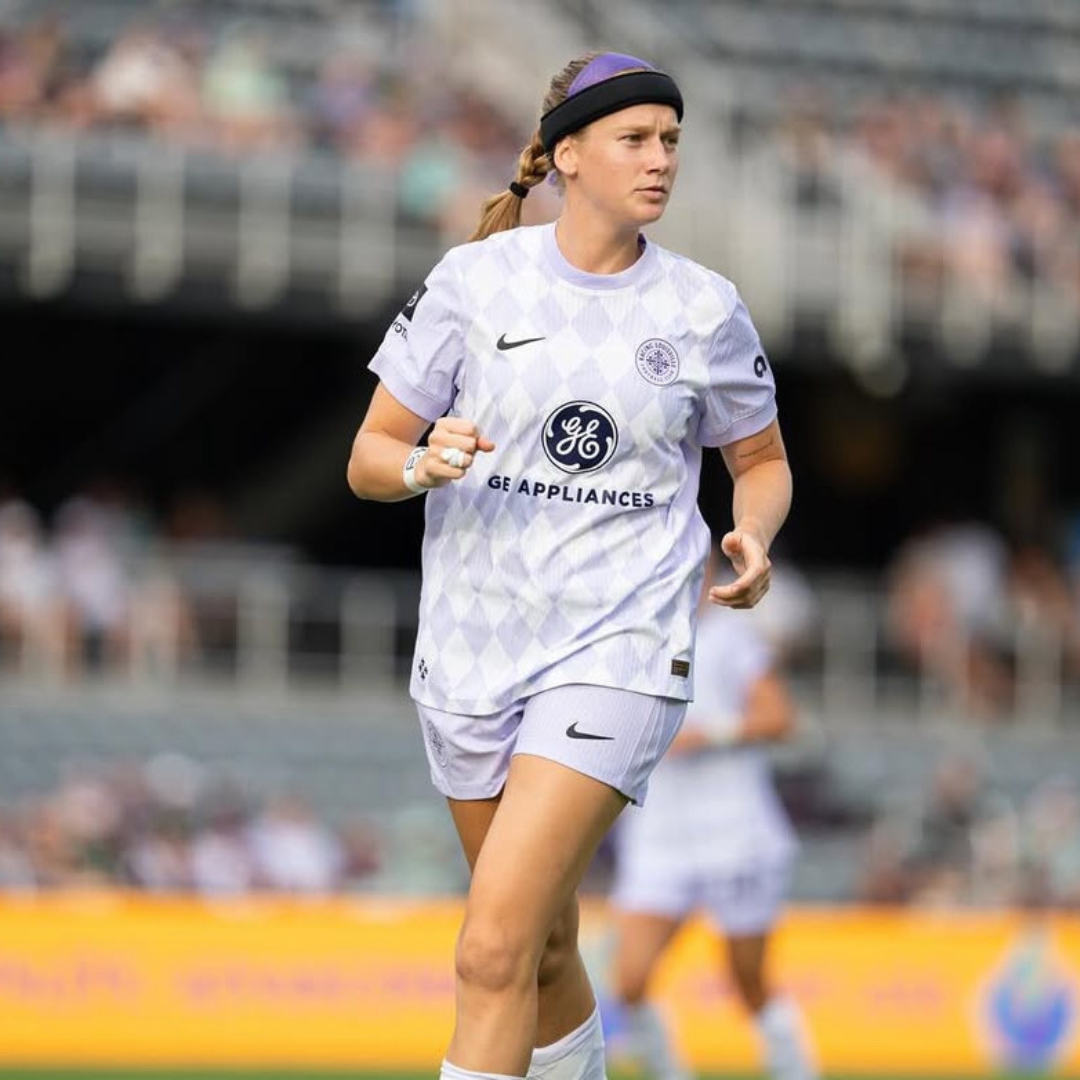
For professional soccer player Bethany Balcer, the unseen game reached a breaking point. In a deeply honest conversation on the A Healthy Push podcast, she revealed the raw details of her experience with athlete burnout and the life-changing decision to take a mental health break from the sport she loves. Her journey offers a powerful look at the importance of professional athlete mental health and the courage it takes to press pause.
Recognizing the Signs of Athlete Burnout
For over a year, Bethany pushed through mounting stress, driven by a powerful fear of letting everyone down: her coaches, her team, and her family. "I used every excuse in the book to just keep playing because I thought that I would be letting everybody down," she shared. This pressure is a common factor in athlete burnout, but her body was sending clear signals that she could no longer ignore.
The breaking point came during a preseason practice. "I was just so overwhelmed... I would just feel this flood of emotions... if I can't get through a training session without being this overwhelmed, something needs to change". She bravely walked into her coach's office and said, "I need a break". The moment she advocated for her own mental health, a weight was lifted off her shoulders.
Managing Panic Attacks and Performance Anxiety on the Field
One of the most powerful parts of Bethany's story is how she learned to manage panic attacks in a high-stakes environment. She recounted her first panic attack, which happened during a tournament in 2020, leaving her hyperventilating and terrified.
Since then, she has learned that trying to push through the performance anxiety only makes it worse. Instead of hiding it, she now takes action. There are times mid-game where she will sit down, have the trainer come over, and simply take a minute because she needs it. "It wasn't letting the anxiety win," she explained. "It was letting my body... decompress and do what it needs to do to get myself back to where I need to be". Her story is a profound permission slip for anyone who fears their anxiety being seen in public.
Navigating the Athlete Identity Crisis
A significant part of the unseen game is the athlete identity crisis, where an individual's self-worth becomes completely tied to their performance. Taking a break forced Bethany to confront who she was without the game. The realization was transformative: "I was like, wow, I'm actually going to be really okay without soccer".
This new perspective allowed her to overcome the pressure and return to the sport with a healthier mindset. She now finds purpose in things beyond the scoreboard, like building strong relationships with her teammates and leaving a positive legacy, rather than focusing solely on goals and stats.
Tools for Overcoming Burnout and Anxiety
Throughout her mental health break and since returning, Bethany has cultivated several practices to stay grounded:
Neutralizing Thoughts: Instead of fighting the cycle of overthinking, she works to make her thoughts neutral, stripping them of their power so they no longer control her emotions or actions.
Daily Gratitude: She has found that "anxiety and gratefulness can't coexist a lot". Starting her day by focusing on what she's grateful for helps manage anxiety before it can take hold.
Pre-Game Rituals: Before every game, Bethany walks a lap around the field with calming music, speaking positive affirmations to prepare the space and her mind for a sense of safety and freedom.
Her journey reminds us that true healing isn’t about eliminating anxiety but learning how to relate to it differently. As Bethany powerfully states, "I can have anxiety, but anxiety doesn't have to have me". It's about recognizing you have the power to choose your response, even when the unseen game feels overwhelming.
To hear more about Bethany Balcer's inspiring story of vulnerability and strength in professional sports, listen to the full episode of A Healthy Push on your favorite podcast platform.
ready to stop doing it alone?
Inside my 10-week program, Panic to Peace, I’ll guide you through this work step by step and you’ll be surrounded by people who truly get it.
You don’t have to stay stuck. Healing is possible and it’s closer than you think.
Come hang out with me on Instagram → I'd love to connect with you!
