
My Anxiety Recovery Journey: Q&A on Panic, Agoraphobia, and Healing
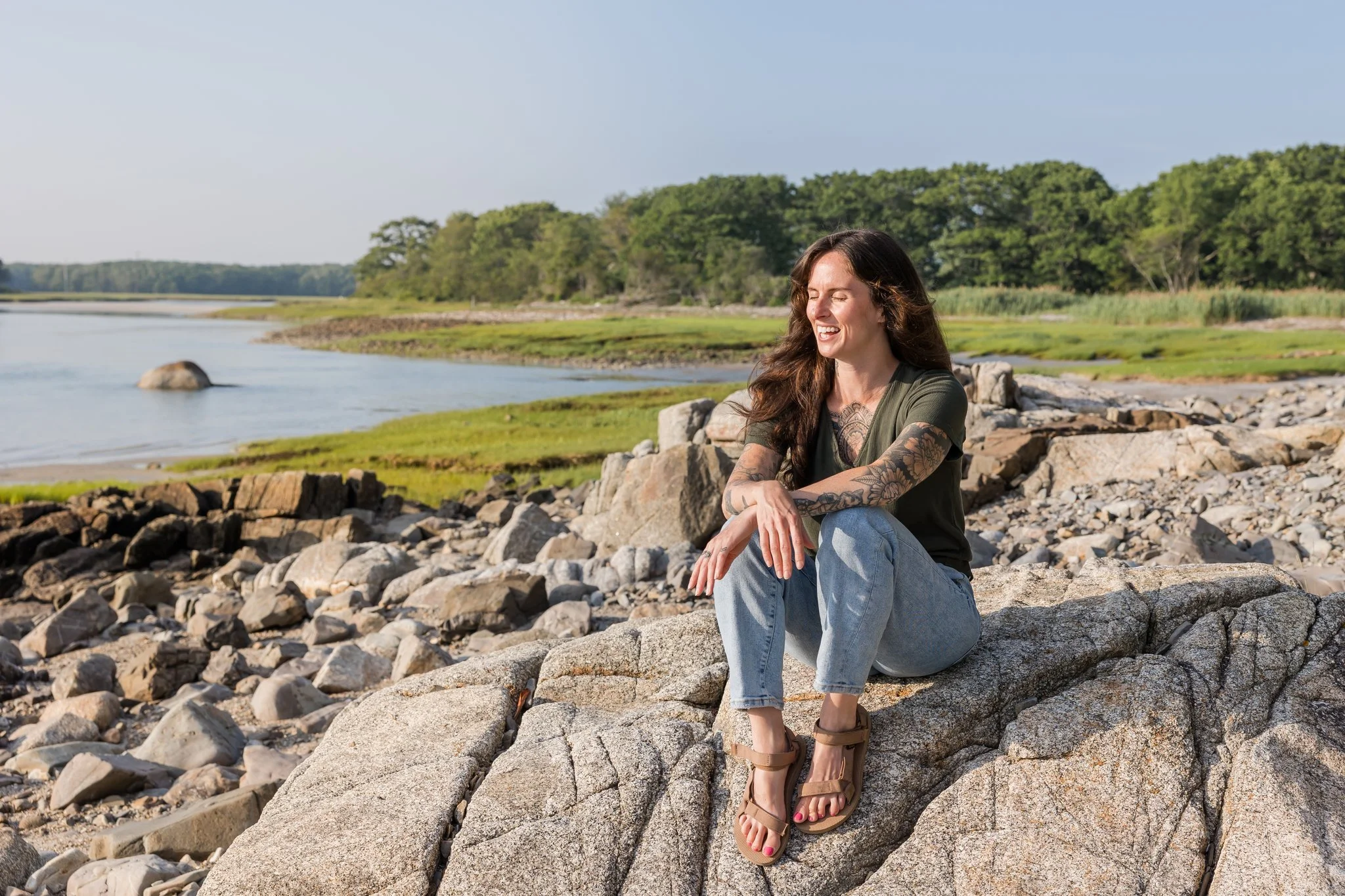
Have you ever looked at your life and wondered, “Is this just how it’s going to be forever?”
I spent fifteen years in that headspace. Fifteen years of carrying anxiety with me like a heavy backpack every single time I left the house. Even though I’ve been recovered for nearly a decade, sitting down with Mari to answer your questions about my journey still brings up so much emotion.
Because the truth is, I wasn't just "worried." I was a shell of a person.
The Myth of the "Homebound" Agoraphobic
One of the biggest misconceptions about agoraphobia is that you never leave the house. When I was at my worst, a psychiatrist looked at me and said, "I cannot believe you are still functioning."
I was going to work. I was seeing friends. I was paying my bills. But what people didn't see was me sitting at my desk having multiple panic attacks a day. They didn't see me shaking in the bathroom stall, wondering if I’d make it through the afternoon. I was "powering through" because that’s how I was raised, but mentally, I was in a total freeze.
If you are leaving the house but feeling like a disaster every second you’re out there, I want you to know: That is still agoraphobia, and your struggle is valid.
The Moment Everything Changed
There wasn't a magic wand or a single "lightbulb" day. But there was a low point. I remember lying on my bathroom floor while my mom held me, just sobbing because the fear was so draining that I didn't want to exist in it anymore. I wasn't suicidal, but I was exhausted. I told her, "If this is what my life is, I can't do it."
That moment of surrender was actually the beginning of my healing. It was the moment I stopped looking for a "fix" to make the anxiety go away and started looking for support to help me through it.
What Actually Worked (and What Didn’t)
I tried everything. The supplements, the "cures," the endless scrolling for a solution. None of that worked. What finally moved the needle were three things:
Acceptance: Stopping the fight. I had to let the anxiety be there without trying to "solve" it.
Self-Trust: Building the belief that even if I panicked, I could handle it.
Vulnerability: Letting people in. I stopped pretending I was fine and started asking for help.
Life Ten Years Later
People ask me if I worry about "relapsing." My honest answer? No.
I’ve been through separation, divorce, and the stress of single parenting. I hike solo in the woods and take my daughter on trips. I still feel natural anxiety—because I’m human—but I don't have disordered anxiety. I don't wake up wondering if I’ll panic. I don't check my body for "signs" of trouble.
I’m not a warrior because I never feel fear; I’m a warrior because I mastered who I am within that fear.
You Are Not a Lost Cause
If you’re sitting in your room right now feeling hopeless, please hear me: Recovery is happening, even when you can’t see it. Every time you choose compassion over self-criticism, you are taking a step toward the life I’m living now.
ready to stop doing it alone?
Inside my 10-week program, Panic to Peace, I’ll guide you through this work step by step and you’ll be surrounded by people who truly get it.
You don’t have to stay stuck. Healing is possible and it’s closer than you think.
Come hang out with me on Instagram → I'd love to connect with you!
