
Why You Can’t Ask for Help: Hyper-Independence with Kelsey Wood
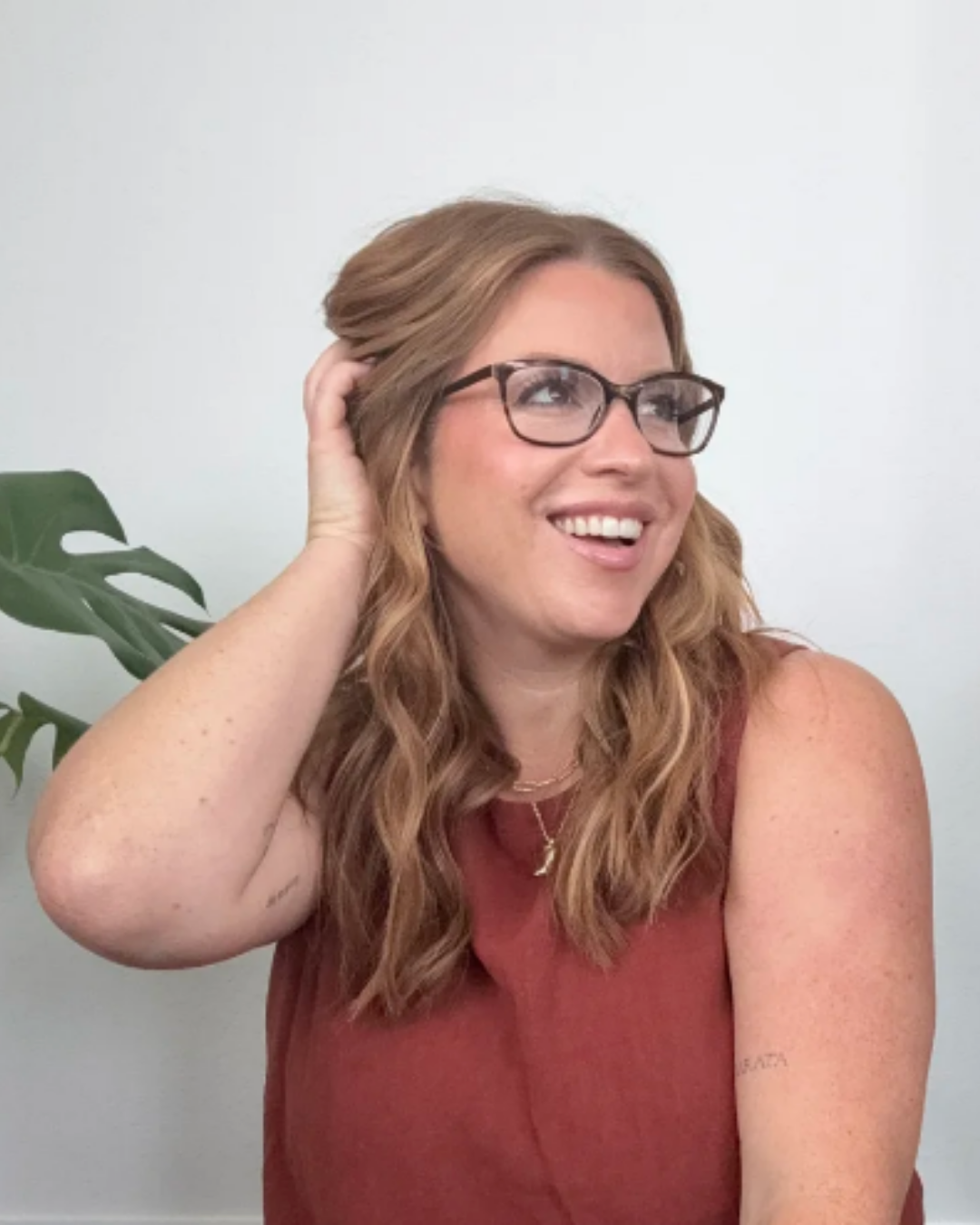
Why You Can’t Ask for Help: Hyper-Independence with Kelsey Wood
Have you ever found yourself struggling to carry a heavy load—literally or metaphorically—and when someone asks if you need a hand, your immediate, reflexive response is: “No, I’m fine. I’ve got it”?
For a long time, I wore my ability to "handle it all" like a badge of honor. I took pride in being the strong one, the capable one, the one who never needed to lean on anyone else. But as I’ve learned through my own journey and my recent conversation with therapist Kelsey Wood, there is a massive difference between being a healthy, independent adult and being hyper-independent.
If you are perpetually exhausted, burnt out, and feel like you’re the only person you can truly rely on, it’s time to look at what’s really driving that "I’ve got it" mentality.
What is Hyper-Independence?
Hyper-independence is more than just being self-sufficient. It is a rigid, often extreme state where asking for help feels not just uncomfortable, but physically unsafe.
Kelsey explains that while independence is a healthy goal, hyper-independence is actually a survival strategy. It’s a wall we build around ourselves to ensure we never have to experience the pain of being let down, dismissed, or abandoned again.
The Roots: The Trauma of What Didn't Happen
One of the biggest "aha" moments in this conversation was Kelsey’s definition of childhood trauma. Often, we think trauma is only about the "Big T" events—accidents or abuse. But hyper-independence often stems from what didn't happen.
If you were the "easy kid" or the "mature one," you likely received praise for having no needs. You learned early on that the adults in your life were either too busy, too stressed, or too emotionally unavailable to hold space for you. So, you adapted. You stopped asking. You started doing everything yourself because it was the only way to guarantee it got done.
This leads to a deep-seated abandonment wound. You don’t ask for help now because your inner child is still convinced that if you do, no one will show up—and that disappointment feels more dangerous than just doing the work yourself.
How It Fuels Your Anxiety and Panic
Hyper-independence and anxiety are deeply intertwined. When you are hyper-independent, your nervous system is in a constant state of hypervigilance. You are always "on," scanning for the next problem you’ll have to solve alone.
Because you’ve cut yourself off from support, you are essentially trying to run a marathon while carrying 100 pounds of lead. Eventually, your system hits a breaking point. This is why many high-achieving, "strong" women suddenly find themselves struggling with panic attacks or agoraphobia. Your body is screaming that it can no longer carry the weight of the world solo.
The "V" Word: Vulnerability
To heal, we have to talk about vulnerability. Kelsey describes it as a muscle. If you haven't used it in twenty years, you can’t expect to walk into a room and perfectly express your deepest needs.
You have to "chunk it down." You don’t start by asking someone to help you navigate a major life crisis; you start by letting someone bring you a coffee or drive you to your car.
Two Questions to Change the Narrative
If you’re ready to start shifting away from the "strong one" trap, Kelsey suggests two powerful internal checks:
Am I helping myself or hindering myself? When you refuse help, are you actually making your life easier, or are you just protecting a wound while making your day ten times harder?
Who is driving the car? Is it your adult self who is capable of making a healthy choice, or is it that scared, 8-year-old version of you who is still trying to survive a lack of support?
Final Thoughts
Being "the strong one" is lonely. It’s isolating. And eventually, it’s unsustainable. Recovery doesn't mean you stop being capable; it means you stop being a martyr. It means realizing that being human requires connection—and connection requires letting people in.
Follow kelsey:
@teatimetherapist
ready to stop doing it alone?
Inside my 10-week program, Panic to Peace, I’ll guide you through this work step by step and you’ll be surrounded by people who truly get it.
You don’t have to stay stuck. Healing is possible and it’s closer than you think.
Come hang out with me on Instagram → I'd love to connect with you!
