
My Personal Anxiety Recovery Journey: Q&A With Annie!
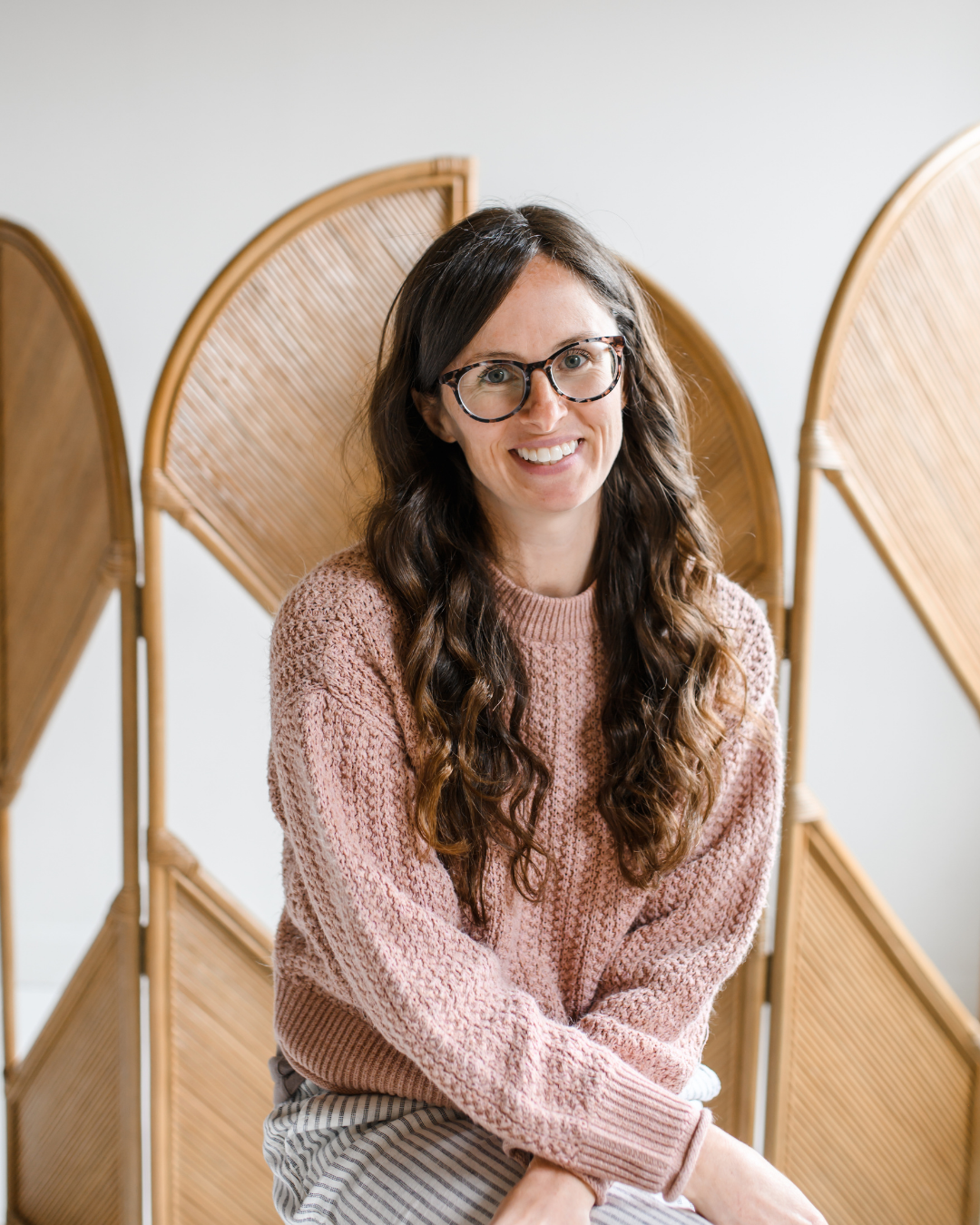
My Panic & Agoraphobia Recovery Journey: The Hardest Moments, Turning Points, and Life on the Other Side
One of the most common things I get asked is about my personal recovery journey—what it really looked like, how bad it got, and how I ultimately got better after struggling for so many years.
So in a recent Q&A podcast episode, Annie and I sat down and walked through some of the most honest questions about my experience with panic disorder and agoraphobia. Today, I want to share those answers here in a way that feels grounded, hopeful, and real.
If you’re in the thick of it right now, I want you to know this first: nothing is wrong with you—and recovery is possible, even when it feels unimaginable.
A Little Context First
I struggled with anxiety, panic disorder, and agoraphobia for about 15 years.
During that time, panic attacks dictated my decisions, avoidance slowly shrank my world, and fear constantly told me what I could and couldn’t do. I was functioning on the outside—working, going to school—but internally, everything felt fragile and exhausting.
Recovery didn’t happen overnight. There wasn’t one magic moment. But there was a path forward.
Let’s talk about what that actually looked like.
What Was the Worst Point in My Recovery Journey?
There were many hard moments, but one of the worst wasn’t a single panic attack—it was the realization that this couldn’t continue.
I reached a point where I could clearly see how much anxiety was taking from my life. I was terrified that I’d eventually stop leaving my house altogether. That thought felt unbearable.
I remember thinking:
I’ve tried everything. What if this is just how my life is?
There was also a very traumatic panic attack at work—one where my body completely shut down under years of stress, pressure, and emotional overload. It wasn’t “just” anxiety in how it felt. It was terrifying, disorienting, and deeply humbling.
But looking back, the hardest part wasn’t any single episode.
It was the repetition:
Being afraid every day
Constantly avoiding
Shrinking my life bit by bit
Realizing I’d been living this way for years
That moment of honesty—I cannot keep doing this—was brutal… and necessary.
Did I Ever Feel Like I Was “Going Crazy”?
Yes. All the time.
The physical symptoms were scary, but the mental spiral was often worse. My brain constantly told me:
This isn’t just anxiety
Something is wrong with you
What if no one has caught it yet?
I truly believed I was losing my mind.
What made it harder was that I hid my struggles well. Most people around me had no idea what I was dealing with, which added a layer of shame and self-doubt.
Here’s what I want you to hear clearly:
Feeling like you’re going crazy does not mean you are.
It means you’re dealing with an anxiety disorder—and anxiety can do incredibly powerful things to both your body and mind.
How Do You Stay Motivated on the Worst Days?
This is such an important question, because the answer isn’t what most people expect.
On your worst days, the goal is not to push harder.
One of the most helpful reframes I’ve ever heard is this:
When you’re suffering, it means stop.
That doesn’t mean giving up.
It means making space instead of forcing progress.
On the hardest days:
Rest is productive
Validation matters
Slowing down is part of healing
Consistency in recovery does not mean doing exposures every single day no matter how depleted you feel. It means responding to yourself with honesty and compassion.
Another huge piece? Communication.
Looking back, I wish I had shared more about what I was going through and asked for help sooner. Anxiety is already isolating—hiding it makes it heavier.
Was There a Moment When I Knew I’d Turned a Corner?
Honestly? No.
There wasn’t a big “aha” moment where everything clicked and I suddenly felt confident and fearless.
Instead, progress happened quietly:
I made more value-based decisions
I stopped letting fear choose for me
I took better care of myself
I kept going, even with doubt
Recovery felt less like a finish line and more like a gradual shift happening behind the scenes.
And yes—there were setbacks. Old habits popped up. Hard days still happened.
The difference was that I stopped seeing those moments as failures.
What Is My Relationship With Anxiety Like Now?
Anxiety didn’t disappear—and that’s okay.
Anxiety is a normal human emotion. Recovery isn’t about eliminating it; it’s about changing your relationship with it.
Now, when anxiety shows up:
I let it be there
I don’t fight it or add meaning to it
I keep living my life anyway
It might show up when I travel, try something new, or step into the unfamiliar—but it no longer carries the same weight or power.
It’s background noise, not a threat.
And sometimes, I still pause and feel emotional realizing how easy things are now—like driving without fear after years of panic behind the wheel. That gratitude never really goes away.
Do I Ever Worry About Going Backwards?
No—and that surprises a lot of people.
Even after having a panic attack years into recovery, I never feared “going back.” Not because I’m invincible—but because of the work I did.
Recovery taught me:
How to tolerate uncertainty
How to trust my body again
How to take care of myself consistently
The “work” doesn’t mean managing anxiety forever—it means continuing to invest in yourself.
Mental health isn’t a destination. It’s an ongoing relationship with yourself, your needs, and your boundaries.
And honestly? That work has made my life richer, not smaller.
If You’re Struggling Right Now…
If you’re reading this and thinking:
It’s been too long
This is just my life now
I’ll never get back to who I was
I want you to know—those are anxiety stories. Not facts.
Your life can look different.
Your relationship with fear can change.
And you are far more capable than anxiety wants you to believe.
Recovery is possible. Even when it doesn’t feel that way yet.
ready to stop doing it alone?
Inside my 10-week program, Panic to Peace, I’ll guide you through this work step by step and you’ll be surrounded by people who truly get it.
You don’t have to stay stuck. Healing is possible and it’s closer than you think.
Come hang out with me on Instagram → I'd love to connect with you!
